The Evolution of Sampling: From the Mellotron to Kontakt
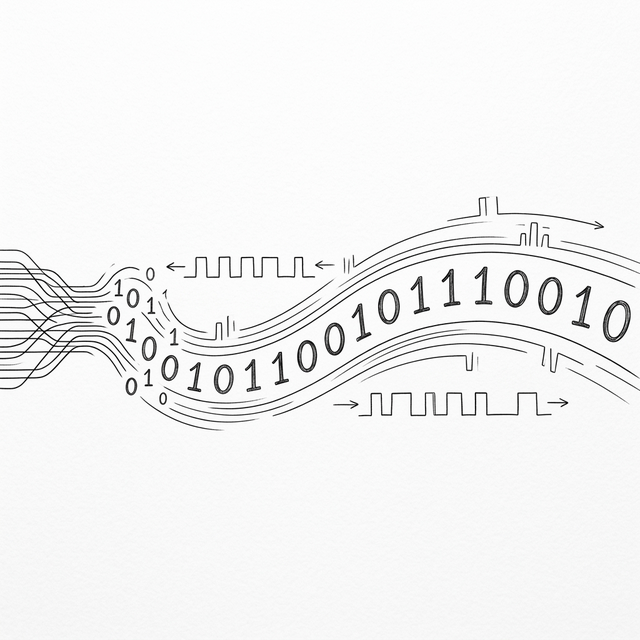
Sampling—the act of taking a piece of recorded sound and using it as a musical instrument—is the backbone of modern hip-hop, electronic music, and film scoring. But long before we had gigabytes of PCM data on our laptops, sampling was a physical, mechanical process involving magnets, tape, and massive amounts of gear. The journey from those early experiments to the virtual instruments of today is a story of human ingenuity and our obsession with capturing reality.
The Mellotron Era: Magnetic Tape Sampling
In the 1960s, the Mellotron was the world's first "sampler." When you pressed a key, it physically pulled a piece of magnetic tape across a playback head. Each tape had a recording (usually 8 seconds) of a real violin or flute. It was heavy, unreliable, and famously difficult to keep in tune, but it created a haunting, beautiful sound that defined the psychedelic era, most notably on the Beatles' "Strawberry Fields Forever." It was the first time we "captured" a performance to be re-played on a keyboard.
The Digital Revolution: Fairlight and Akai
In the late 70s and 80s, sampling went digital. Machines like the Fairlight CMI were the size of a desk and cost as much as a house. They had a whopping 16KB of memory! By the late 80s, the Akai MPC series made sampling affordable and portable. This triggered the birth of Hip-Hop, as producers could now "sample" old soul records directly into a machine and chop them into new beats. This era taught us that sampling wasn't just about recreating instruments—it was about re-contextualizing culture through audio.
The Modern Age: Gigabyte Libraries
Today, we don't measure samples in kilobytes; we measure them in terabytes. Software samplers like Native Instruments' Kontakt can manage 24-bit/192kHz PCM samples for every single note of a piano, with different samples for every "velocity" (how hard you hit the key). This has reached a level of realism where it is nearly impossible to tell a "virtual" orchestra from a real one. On **audio-converters**, we support the processing and conversion of these high-fidelity sample assets, ensuring that the history of sound remains accessible to everyone.
Conclusion
Sampling has democratized music. It allows a kid in a bedroom to have the sound of a London symphony at their fingertips. Whether you are using a 1960s tape loop or a 2026 neural-network-driven virtual instrument, you are part of a long tradition of "capturing" the world to make it sing.
Thanks for reading our technical deep-dive!