Opus vs MP3: Why the King of 2005 is Losing to the Future
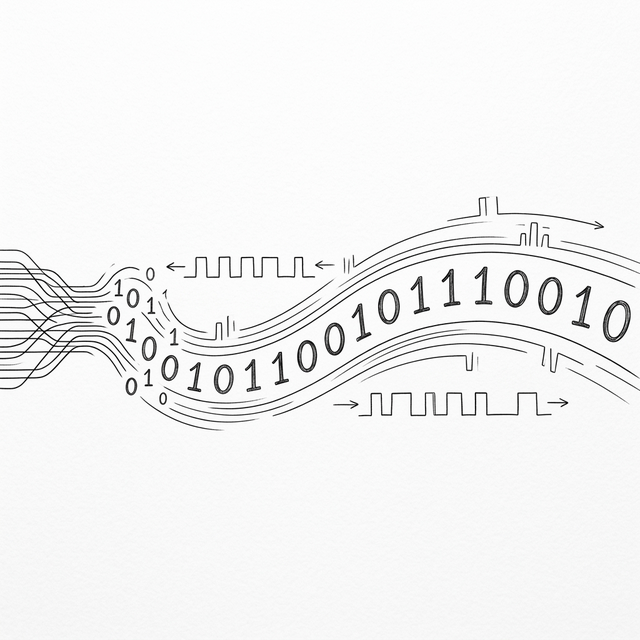
For nearly three decades, "MP3" has been synonymous with digital music. It revolutionized how we consumed media, killed the CD industry, and powered the first generation of smartphones. But in 2026, the technology landscape has shifted. We need lower latency, better quality at low bitrates, and open standards. Enter Opus. While MP3 is a classic, Opus is the modern engine driving everything from Discord to YouTube. Let’s look at why you should consider converting your library to Opus today.
The MP3 Legacy: A Solid Foundation
MP3 (MPEG-1 Audio Layer III) was designed in an era when storage was expensive and internet speeds were measured in kilobits. It uses a "psychoacoustic model" to discard sounds the human ear is unlikely to hear. At 192kbps or 256kbps, a well-encoded MP3 sounds excellent to most people. However, MP3 has a massive flaw: latency. The way MP3 frames are structured adds a mandatory delay, making it terrible for real-time communication like gaming or voice calls.
The Opus Advantage: One Codec to Rule Them All
Opus was created by the Xiph.Org Foundation to address the limitations of all existing codecs. It is essentially two codecs in one: a speech-focused engine (SILK) and a music-focused engine (CELT). It can switch between them seamlessly or blend them in real-time. This flexibility allows Opus to sound better at 64kbps than an MP3 does at 128kbps. This isn't just a minor improvement; it's a generational leap in compression efficiency.
Latency: The Real Killer Feature
If you've ever used Google Meet or Discord, you've used Opus. The reason these apps feel "live" is because Opus has an algorithmic delay as low as 5ms. MP3, by comparison, often introduces over 100ms of delay just through its encoding process. For web developers building interactive experiences, Opus is the only logical choice. Our converter at audio-converters uses the latest WebAssembly build of libopus to ensure that when you convert your PCM or WAV files, you get that lightning-fast performance without sacrificing a single note of clarity.
Compatibility and the Future
Is MP3 dead? Not quite. Every device on the planet, from old car stereos to smart fridges, can play MP3. Opus, while supported by every modern browser and operating system, still struggles with legacy hardware. However, for anything web-based, Opus is the standard. It is the mandatory codec for WebRTC, meaning the future of the internet is written in Opus. By using our tool to transcode your high-res PCM masters into 48kHz Opus streams, you are future-proofing your content for the next decade of web consumption.
Final Verdict
If you need maximum compatibility with a 20-year-old iPod, stick with MP3. But if you want the best possible audio quality per kilobyte, or if you are building anything that involves real-time streaming, Opus wins every time. It is faster, clearer, and completely royalty-free. Use our **Online Audio Toolbox** to experiment with different Opus bitrates and see for yourself how much detail you can pack into a tiny file.
Thanks for reading our technical deep-dive!