Digital Audio Forensics: How Experts Reveal the Truth in Sound
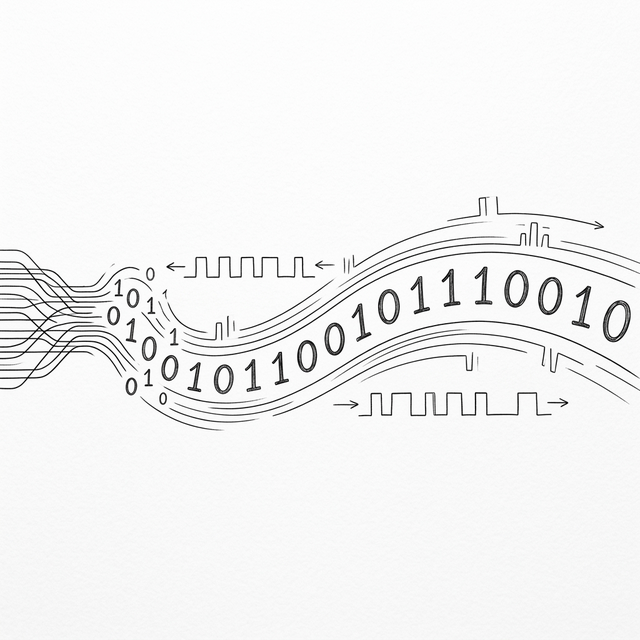
Can you find a hidden voice in a wall of noise? Can you prove that an audio recording has been tampered with? This is the world of **Audio Forensics**. Using the same PCM data and spectrogram tools we use for music, forensic experts can identify everything from where a phone call was made to the specific model of camera used to record a video. It is a mix of high-end DSP and detective work.
ENF Analysis: The Electrical Fingerprint
Every electrical grid in the world has a tiny "hum" (50Hz or 60Hz) that fluctuates slightly over time. This **Electric Network Frequency (ENF)** is unique to a specific time and location. If a recording has a faint hum, an expert can compare that hum to a national database of grid frequency logs. This can "timestamp" a recording with incredible accuracy, proving exactly when it was made. It is the literal "DNA" of an audio file.
Detecting Edits and Erasures
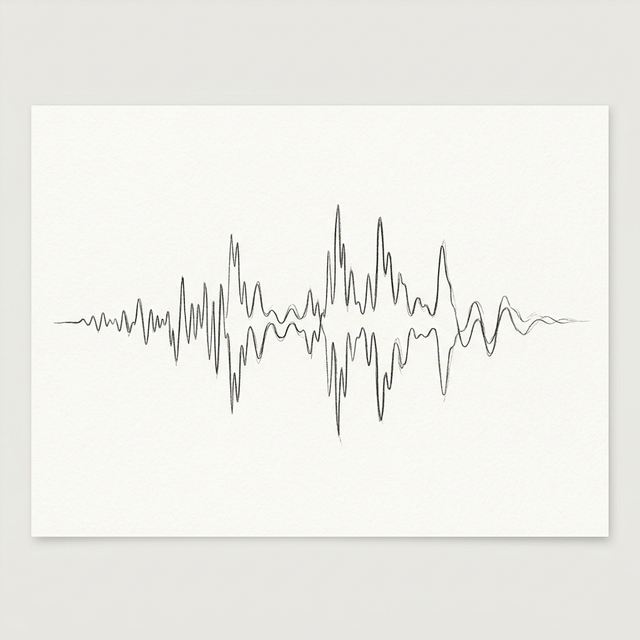
When you edit a PCM file, you often leave a "scar"—a tiny discontinuity in the waveform or a sudden shift in the noise floor. While these are inaudible to the ear, they are glaringly obvious to a forensic filter. Experts use these "artifacts" to prove if a witness statement has been edited. Our **High-Resolution Spectrogram** is optimized to show these tiny inconsistencies, making it a valuable tool for anyone needing to verify the integrity of their digital evidence.
Conclusion
Audio is a witness that never forgets. By understanding the deep structure of sound, we can reveal truths that were meant to be hidden. Forensics reminds us that every bit of data has a story to tell, and our job is simply to listen closely enough.
Thanks for reading our technical deep-dive!